
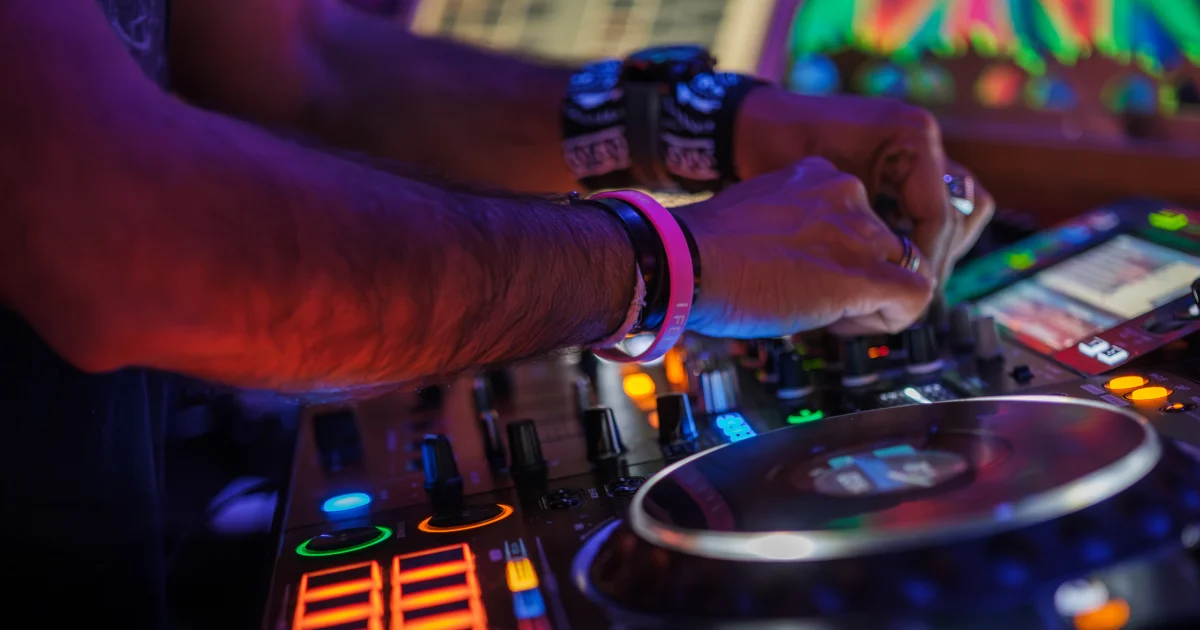
Prepare to be transported back to a golden era where infectious beats reigned supreme and euphoria filled every club. The sound that defined a generation, the pulse that still resonates today – we’re talking about dance music 90.
The Resurgence of 90s Dance Music: A Timeless Groove for Today’s Raves
Decades after its peak, the unmistakable energy of dance music 90 isn’t just a nostalgic echo—it’s a full-blown revival. This isn’t about dusty records; it’s a living, breathing sound that’s igniting today’s festival stages and club dance floors with the same euphoric power it had back in the day.
The question isn’t if it’s back, but why its pulse feels more relevant than ever in our modern electronic scene.
Why 90s Dance Music Endures: Nostalgia Meets Innovation
The magic of 90s dance music lies in its perfect blend of raw nostalgia and timeless appeal. For those who remember it, it’s a powerful trip back to an era of pure, unfiltered optimism. For new listeners, it’s a fresh discovery of what makes dance music so compelling.
Its core elements—soaring diva vocals, unforgettable piano riffs, and relentlessly positive melodies—create a formula for pure joy. This sound wasn’t overthought; it was designed for maximum impact on the dance floor, a quality that remains incredibly effective today.
Connecting the Generations: New Audiences Discovering 90s Dance Music
This resurgence is being fueled by a new generation discovering these anthems through platforms like TikTok and in the sets of forward-thinking DJs. A classic track can go viral overnight, introducing artists like Haddaway or Culture Beat to listeners who weren’t even born when these songs were released.
Ultimately, the themes of unity, escape, and euphoria are universal. The dance music 90 era perfectly captured this feeling, creating a sonic bridge that effortlessly connects the ravers of yesterday with the party-goers of today. Its timeless groove is a reminder that a great beat knows no generation.
Decoding the Sound: What Defined 90s Dance Music?
The unmistakable sound of dance music 90 was no accident; it was a carefully crafted formula for maximum euphoria. This era’s sonic signature was built on a foundation of specific production choices, melodic hooks, and iconic technology that came together to create pure dance-floor energy.
At its heart, the genre was defined by its accessibility and its focus on creating an uplifting, shared experience. Let’s break down the key ingredients that made this sound so infectious and memorable.
The Signature Elements of 90s Dance Music Production
The rhythmic backbone of nearly every 90s dance hit was the four-on-the-floor kick drum, a relentless, driving pulse that was impossible not to move to. This was often paired with crisp, syncopated hi-hats and a punchy snare on the off-beats. Production wasn’t about subtlety; it was about creating a powerful, rolling groove that was both simple and incredibly effective.
Beyond the Beat: Melodies and Vocals in 90s Dance Music
Layered on top of that powerful beat were the elements that gave the music its soul. Think of the instantly recognizable piano chords and soaring, anthemic synth melodies that could fill a stadium.
Vocally, the formula was iconic: a powerful female vocalist delivering an unforgettable, emotional chorus, often contrasted with a male rapper’s energetic verse. This dynamic created a call-and-response energy that made the tracks pop on radio and in the clubs.
Iconic Synthesizers and Drum Machines of the 90s Dance Music Era
This signature sound was powered by newly accessible digital technology. The Roland TR-909 drum machine is the source of that legendary kick drum, while synthesizers like the Korg M1 were responsible for the famous house piano and organ sounds. This gear didn’t just support the music; it defined the very texture of dance music 90, giving producers a powerful new palette to create anthems.
The Architects of Euphoria: Most Iconic 90s Eurodance Hits
When you think of dance music 90, the explosive, high-energy sound of Eurodance is likely the first thing that comes to mind. This genre was an unstoppable force, a European-born phenomenon that perfected a formula for creating pure, unapologetic joy. It was the soundtrack of a decade, and its influence is still felt today.
These tracks were built for the masses, combining simple yet powerful lyrics about love and freedom with melodies that were impossible to forget. The result was a collection of the most iconic 90s Eurodance hits that dominated radio airwaves and dance floors across the globe.
Unforgettable Anthems: Chart-Topping Eurodance Tracks
The Eurodance Mount Rushmore is packed with timeless anthems. These songs weren’t just hits; they were cultural moments that defined an era of clubbing. A proper 90s playlist isn’t complete without them.
A few essential tracks that represent the peak of the movement include:
- “Rhythm Is a Dancer” by Snap!
- “What Is Love” by Haddaway
- “Mr. Vain” by Culture Beat
- “Be My Lover” by La Bouche
The Voices and Faces Behind 90s Eurodance
Behind these massive hits were the artists who became the faces of the movement. Groups like 2 Unlimited, Corona, and Eiffel 65 delivered performances that were as energetic as their music. Many Eurodance acts were producer-driven projects, pairing powerhouse vocalists with charismatic front-persons or rappers to create a complete and marketable package. These artists weren’t just musicians; they were ambassadors of euphoria, bringing the vibrant energy of European clubs to a worldwide stage.
Beyond Eurodance: Unpacking the Diverse Genres of 90s Dance Music
While Eurodance conquered the pop charts, the true heart of dance music 90 beat in countless diverse and evolving scenes. For every radio-friendly hit, there were dozens of underground anthems pushing the boundaries of sound. This decade was an explosion of creativity, offering a different groove for every type of raver and every mood imaginable.
Exploring these genres is key to understanding the full scope of the era. Each style had its own culture, fashion, and philosophy, creating a rich tapestry of electronic expression.
The Rise of 90s House and Techno
House music found its global footing, evolving from its soulful Chicago roots into a worldwide phenomenon. It delivered feel-good anthems powered by diva vocals, funky basslines, and infectious piano riffs. Artists like Daft Punk and Masters At Work took it from underground clubs to mainstream success.
At the other end of the spectrum, techno provided a harder, more futuristic alternative. With its relentless rhythms and industrial textures, it was the driving force of warehouse raves, focusing on hypnotic energy rather than melodic hooks.
Trance Nation and Other Influential Sounds
For those seeking pure melodic euphoria, 90s trance was the ultimate destination. The genre specialized in crafting epic, emotional journeys with soaring synth leads and dramatic breakdowns that created hands-in-the-air moments. Icons like Paul van Dyk defined this uplifting sound.
Meanwhile, the UK was pioneering breakbeat culture. Genres like Jungle and its successor, Drum & Bass, introduced complex, high-speed rhythms and deep sub-bass, offering a raw, frenetic energy that stood apart from the 4/4 beats dominating Europe.
From Underground Raves to Mainstream Airwaves: The Cultural Impact of 90s Dance Music
The story of dance music 90 is about far more than just sound; it’s the story of a cultural revolution. This was a movement that offered a sense of belonging and freedom, creating a global community united by the beat. It was a soundtrack for a generation seeking connection and escape.
What started in secret warehouses and open fields exploded into a worldwide phenomenon, forever changing the face of youth culture. The energy was infectious, and its influence spread far beyond the dance floor, shaping the entire decade.
Rave Culture and Its Influence
At its core, 90s dance music was fueled by the underground rave scene. This was a DIY culture built on the principles of PLUR—Peace, Love, Unity, and Respect. It was an inclusive space where people from all backgrounds could come together to celebrate life and music. These events were the incubators for the genre’s innovation and its powerful sense of community.
Fashion, Art, and Media
The scene’s influence was impossible to ignore. It created an iconic aesthetic defined by baggy clothes, vibrant neon colors, bucket hats, and futuristic accessories. This style wasn’t just fashion; it was a uniform that signaled belonging. The psychedelic art on rave flyers and album covers became just as recognizable as the music itself, and soon enough, mainstream movies, TV shows, and advertising began adopting the look and sound, cementing the cultural legacy of dance music 90.
The Legends Live On: What Happened to 90s Dance Music Artists?
Ever find yourself listening to a classic track and wondering, what happened to 90s dance music artists? The voices and producers who defined a generation didn’t just vanish when the clock struck 2000. Their journeys are as diverse as the music they created.
Some are still commanding festival stages, while others have transitioned into new roles behind the scenes. From sold-out reunion tours to quiet lives away from the spotlight, the legends of dance music 90 are still very much a part of the world they helped build.
Still Spinning: Iconic Artists Today
Many of the era’s biggest names are still deeply connected to the scene. Titans like Carl Cox and Paul van Dyk continue to headline major festivals, seamlessly blending their classic sounds with modern electronic music. Groups like 2 Unlimited and Culture Beat frequently ignite crowds on nostalgia tours, proving the timeless energy of their hits.
Other artists successfully evolved. Tiësto and Armin van Buuren, who both began their legendary careers in the 90s, adapted their styles to remain at the forefront of the global dance music industry.
New Ventures and Enduring Legacies
Not everyone stayed in the spotlight. Some artists transitioned into producing for new talent, managing record labels, or simply chose a private life after years of touring. They found new ways to contribute their expertise without being on stage.
Tragically, some stars left us too soon. Artists like Robert Miles, the creator of the iconic track “Children,” have passed away, but their music has become immortal. Their tracks continue to be played in clubs and on radio stations, ensuring their groundbreaking influence on dance music 90 will never be forgotten.
Crafting Your Ultimate 90s Dance Music Playlist: Essential Tracks for the Practitioner
Ready to apply that infectious 90s energy to your life? For a true “Practitioner,” building the perfect dance music 90 playlist isn’t just about shuffling hits; it’s about curating a specific vibe for any moment. Whether you’re powering a party or focusing on a project, the right track makes all the difference.
The key is to think about mood and energy. A great playlist has flow, taking you on a journey. Let’s break down the essential building blocks for your ultimate 90s collection.
Top 90s Dance Music Tracks for High-Energy Parties
For those moments when you need to get the crowd moving, you need pure anthems. These tracks are defined by their driving four-on-the-floor beats, euphoric vocals, and unforgettable synth hooks. They are the sonic fuel guaranteed to fill any dance floor and create lasting memories.
- Snap! – Rhythm Is a Dancer
- Haddaway – What Is Love
- Corona – The Rhythm of the Night
- Faithless – Insomnia
Chill Vibes: Downtempo 90s Dance Music for Focus
But 90s dance music wasn’t only about peak-time bangers. The decade also produced incredible downtempo, trip-hop, and ambient tracks perfect for when you need to focus, work, or just chill out. These soundscapes create a cool, atmospheric vibe without demanding your full attention, providing the perfect background for productivity. Explore tracks from artists like Massive Attack, Moby, or Air to discover the deeper, more relaxed side of the era.
Experiencing the Vibe: Finding Modern Events and Communities Inspired by 90s Dance Music
The playlist is built, but now you’re ready to share that energy with others. For the true “Practitioner,” listening is only half the experience. The good news? The spirit of dance music 90 is thriving, and finding your tribe is easier than ever.
From sweaty dance floors to global online communities, the scene is very much alive. You just need to know where to look to connect with other fans and experience these timeless grooves in a modern setting.
Where to Find 90s-Themed Parties and Club Nights
The most direct way to experience the vibe is live. Many cities have dedicated throwback nights or themed parties celebrating the 90s. Keep an eye on local venue listings, event websites like Resident Advisor, and social media. Even major festivals often feature legacy acts or stages dedicated to classic house, trance, and Eurodance, proving the sound still commands a massive audience.
Online Communities and Radio Stations
To connect 24/7, the digital world is your best friend. Dive into online spaces to discover new music and chat with fellow enthusiasts:
- Forums and Social Groups: Subreddits like r/90s or dedicated Facebook groups are hubs for sharing tracks, memories, and event info.
- Specialist Radio: Online radio stations and curated Spotify or Apple Music playlists offer endless streams of 90s dance music, from chart-toppers to hidden gems.
The Enduring Legacy of 90s Dance Music: Why It Still Moves Us and Shapes Today’s Sound
More than just a nostalgic throwback, dance music 90 is a foundational pillar of modern electronic culture. Its influence isn’t a faint echo; it’s a living, breathing part of the music you hear today. The euphoric piano riffs, soaring diva vocals, and iconic synth stabs of that era laid a blueprint that countless artists still follow.
The legacy of 90s dance music is felt in its timeless appeal and its direct impact on today’s sound. It wasn’t just a moment in time—it was a movement that permanently shaped the DNA of club culture and electronic music production.
The Influence on Contemporary Electronic Genres
Listen closely to modern house, techno, and even mainstream pop, and you’ll hear the 90s. The driving 909 drum patterns, the emotional chord progressions of classic trance, and the sampling techniques perfected in 90s house are all standard tools in a modern producer’s arsenal. Artists today often sample or directly reference most iconic 90s eurodance hits, proving that these melodic structures are truly timeless.
Timeless Appeal and Future Echoes
What gives this era its staying power is the feeling it evokes: pure, unadulterated euphoria. The dance music 90 sound was built on themes of unity, freedom, and collective joy. This powerful emotional core is what connects with new generations of ravers who weren’t even born yet. It’s this spirit—the promise of losing yourself on a dance floor—that continues to inspire new artists to capture that same lightning in a bottle.
Looking Forward: The Future Echoes of 90s Dance Music in Electronic Culture
The story of dance music 90 is far from over. As we look ahead, its influence is set to evolve, finding new life in the hands of future generations and through the power of modern technology. The sound isn’t just being preserved; it’s being reinterpreted, ensuring its euphoric pulse continues to beat at the heart of electronic culture.
This era’s legacy is not a static museum piece but a living blueprint for future dance floor anthems.
The Next Generation of 90s Revivals
The revival is already happening, but expect it to get deeper. The next wave of producers won’t just sample classic tracks; they’ll deconstruct them. We’ll likely see new micro-genres emerge that fuse the raw energy of 90s trance and house with contemporary sounds, creating a fresh yet familiar groove for tomorrow’s parties.
Technology and the Preservation of its Heritage
Digital platforms are the ultimate archive. Streaming services, YouTube channels, and dedicated online communities ensure that the most iconic 90s eurodance hits and underground gems are just a click away. This accessibility means the culture is not only preserved but is constantly being discovered by new audiences, keeping its legacy interactive and alive.
The Evolving Definition of ‘Dance Music 90’
In the future, ‘dance music 90’ might describe more than just a decade—it could become shorthand for a vibe. A feeling of uninhibited joy, powerful vocals, and infectious melodies. The term will continue to represent a specific sonic and emotional blueprint that artists turn to when they want to create pure, hands-in-the-air dance floor moments.
Your Journey into the 90s Beat Continues
The 90s dance music era forged a culture of unity and unforgettable euphoria, from iconic Eurodance to diverse underground sounds. Its timeless energy still inspires and moves us today.
Now it’s your turn to embrace this vibrant legacy. Craft your ultimate playlist, find events, and connect with fellow enthusiasts. Keep the rhythm alive!
Continue Your Journey
This blog is your base for exploring electronic music. If you’re ready for the next leg of the journey, the album “Expedition” from Tech Ducks is a standalone sonic journey with its own story. Listen on Spotify now!
Discover more about of Electronic Music Culture.
Frequently Asked Questions About 90s Dance Music
Have questions about the golden era of dance anthems? We’ve got you covered with answers to the most common questions about the sound, the artists, and the enduring legacy of 90s dance music.
Why is dance music 90 so popular again?
The resurgence of dance music 90 is driven by a powerful mix of nostalgia and discovery by new generations on platforms like TikTok. Its timeless formula of soaring vocals, positive melodies, and euphoric energy makes it just as effective on today’s dance floors.
What are the key elements of the classic dance music 90 sound?
The classic dance music 90 sound is defined by a driving four-on-the-floor kick drum, unforgettable piano riffs, and a dynamic vocal combination. This often featured a powerful female singer for the chorus and an energetic male rapper for the verses.
What are some of the most iconic 90s eurodance hits I should know?
To experience the peak of the era, your playlist must include some of the most iconic 90s eurodance hits. Key tracks that defined the genre include “Rhythm Is a Dancer” by Snap!, “What Is Love” by Haddaway, and “The Rhythm of the Night” by Corona.
What happened to 90s dance music artists after the decade ended?
Many 90s dance music artists are still very active in the industry. Some legends continue to headline major festivals and perform on nostalgia tours, while others have successfully transitioned into producing for new talent or managing their own record labels.