
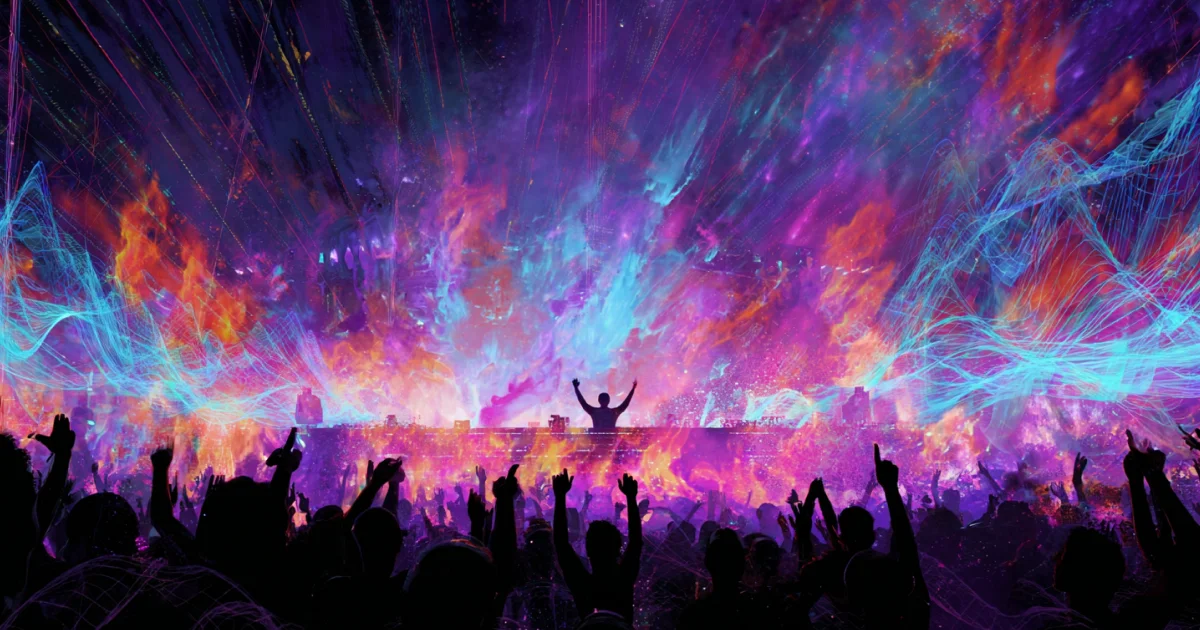
Ever wondered about the true EDM meaning and its impact on modern culture? Dive into the electrifying world of electronic dance music, where pulsating beats and euphoric melodies converge to create an experience unlike any other. This isn’t just music; it’s a global phenomenon, a vibrant community, and a powerful force shaping our sonic landscape.
What is the Core EDM Meaning? A Beginner’s Guide
At its heart, the core EDM meaning is exactly what the name suggests: Electronic Dance Music. This is a broad, umbrella term for a huge category of music created primarily with electronic instruments like synthesizers, samplers, and drum machines. Its main purpose is to create a rhythmic, high-energy soundtrack for dancing.
Think of EDM not as a single genre, but as a massive family of related styles. From the thumping beats of a festival mainstage to the chilled-out vibes of a sunset lounge, if it’s electronic and designed to make you move, it likely falls under the EDM banner. This broadness is why the term can sometimes be confusing for newcomers.
Decoding “Electronic Dance Music”: The Basic EDM Meaning
Let’s break down the acronym to clarify the EDM meaning:
- Electronic: The sound is generated digitally or with electronic hardware, not traditional acoustic instruments. This gives artists an infinite sonic palette to work with.
- Dance: The music is built around a strong, repetitive rhythm or beat. The entire structure is crafted to inspire movement and physical energy.
- Music: While the beat is central, EDM also incorporates melody, harmony, and structure to create emotive and engaging tracks.
Beyond the Name: What Truly Defines EDM Meaning in Sound
The true EDM meaning comes alive in its structure and goal. Most EDM tracks are famous for their dynamic flow, featuring sections like build-ups that create tension and anticipation, followed by a “drop”—an explosive release of energy where the main beat and melody kick in.
This structure isn’t just a formula; it’s designed to create a shared, euphoric experience for the audience. The ultimate goal is to connect people on the dance floor through a powerful, collective journey of sound and rhythm.
The Journey of EDM: From Underground Raves to Global Phenomena
Electronic Dance Music didn’t just appear overnight; it’s the result of decades of sonic evolution. Its story is a fascinating journey from intimate, underground clubs to massive festival stages watched by millions around the world. Understanding this history is key to grasping its cultural significance.
The sounds we now call EDM grew from the fertile ground of pioneering genres, evolving through passionate communities before exploding into the global mainstream.
Pioneering Sounds: Disco, House, and Techno’s Influence
The roots of EDM are firmly planted in the late 20th century. The rhythmic, four-on-the-floor beat of Disco in the 1970s laid the foundation. Soon after, two crucial scenes emerged in the US:
- Chicago House: This genre added soulful vocals and deeper basslines, creating an inclusive and uplifting vibe in warehouses and clubs.
- Detroit Techno: Innovators here used synthesizers to craft futuristic, often darker soundscapes inspired by industrial landscapes and science fiction.
These foundational styles created the DNA for nearly every EDM subgenre that followed.
The Rise of Festival Culture and Mainstream Acceptance
During the late ’80s and ’90s, these sounds fueled the underground rave culture, particularly in Europe. These events were more than just parties; they were about community, freedom, and a shared love for the music.
By the 2000s and 2010s, this energy was commercialized. Massive, multi-stage festivals like Tomorrowland and Electric Daisy Carnival (EDC) transformed EDM into a global spectacle. This festival boom propelled DJs to superstar status and cemented Electronic Dance Music as a dominant force in modern pop culture.
Exploring the Spectrum: Diverse Subgenres of EDM
Saying you like “EDM” is like saying you like “rock”—it’s a huge category with countless different flavors! The true EDM meaning isn’t found in a single sound but in a vast spectrum of subgenres, each with its own unique vibe, tempo, and emotional core.
Exploring these styles is the best way to discover what electronic music means to you. From euphoric melodies to earth-shaking bass, there’s a corner of the EDM world for every mood and every moment.
From Progressive House to Hardstyle: A Genre Breakdown
Think of subgenres as different dialects of the same language. While they all share electronic roots, their personalities are distinct. Here’s a quick tour of some popular styles:
- House: The soulful foundation. Known for its groovy, four-on-the-floor beat (around 120-130 BPM) and often featuring uplifting vocals. It’s the sound of a classic dance club.
- Trance: Characterized by hypnotic, repeating melodies, long emotional build-ups, and euphoric breakdowns. It’s designed to take you on a journey.
- Dubstep: Famous for its heavy, wobbling basslines and dramatic “drops.” Its rhythms are often slower and more syncopated, creating a powerful, head-banging energy.
- Drum & Bass (DnB): A high-energy genre defined by fast, complex breakbeats (160-180 BPM) and deep, rolling basslines.
- Hardstyle: Intense and powerful, featuring distorted kick drums, aggressive synths, and epic melodies at a high tempo.
How Subgenres Expand the EDM Meaning
This incredible diversity is what keeps Electronic Dance Music so exciting. Each subgenre contributes to a broader, more inclusive EDM meaning. It shows that EDM isn’t a rigid definition but a dynamic culture of innovation.
Whether you’re drawn to the smooth grooves of House or the raw power of Hardstyle, your preference helps define what EDM is. It’s a personal experience, and finding your favorite style is part of the fun.
The Essential Difference Between EDM and Techno: A Clear Comparison
One of the biggest points of confusion for newcomers is the difference between EDM and techno. While Techno is a historic genre that technically falls under the giant EDM umbrella, in modern conversation, the terms describe two vastly different worlds.
Think of it like this: EDM is often the blockbuster pop concert, while Techno is the immersive art installation. Both are electronic, but their purpose and feel are worlds apart. Understanding this distinction is key to grasping the wider EDM meaning.
Sonic Distinctions: Beat, Melody, and Structure
Mainstream EDM is typically built for maximum impact. It’s characterized by big melodies, vocal hooks, and a very clear structure: a tense build-up that leads to an explosive “drop.” The goal is an immediate rush of energy and euphoria.
Techno, in contrast, is all about the hypnotic groove. It’s far more repetitive and rhythm-focused, using subtle, evolving layers of percussion and synths to create a trance-like state. It’s a slow-burning journey, not a series of peaks.
Cultural Vibe: Festival Stages vs. Underground Clubs
This sonic philosophy shapes their respective scenes. EDM is the king of massive festivals, with spectacular light shows, pyrotechnics, and superstar DJs as the main attraction. It’s a high-energy, celebratory spectacle.
The Techno experience is often more intimate and underground. It thrives in dark clubs and warehouses where the focus is purely on the music and the collective journey on the dance floor, creating a deep, immersive connection.
Why is the EDM Meaning So Often Confused?
If you’ve ever felt confused about the true EDM meaning, you’re not alone. The term itself is the biggest source of the problem. It’s used in different ways by different people, leading to debates that can baffle even seasoned listeners.
The core issue is that “EDM” has a literal definition and a modern, cultural one, and they don’t always align. This section will clear up the fog and help you understand why the term is so tricky.
The “Umbrella Term” Mistery
Literally, EDM stands for Electronic Dance Music—a massive umbrella that should, in theory, cover every genre from the deepest Techno to the most uplifting Trance. For decades, this was the case.
However, around the early 2010s, the term “EDM” was adopted by the mainstream American music industry to market a specific style: the high-energy, festival-ready sound of artists like Avicii, Skrillex, and Swedish House Mafia. This created a split personality for the term.
Myth vs. Reality: Debunking Common EDM Misconceptions
This leads to the biggest myth: that EDM is just one genre defined by loud drops and predictable formulas. The reality is that the true EDM meaning encompasses an incredible diversity of sounds, moods, and cultures.
Many artists and fans of genres like House, Techno, or Drum & Bass actively distance themselves from the “EDM” label. They see it as representing only the most commercialized slice of the electronic music world, not the rich and varied universe it truly is.
The Cultural and Economic Impact of EDM Worldwide
The influence of Electronic Dance Music extends far beyond headphones and club speakers. It’s a powerful cultural and economic force that shapes global trends. From high fashion to blockbuster movies and massive international events, the reach of EDM demonstrates a meaning that transcends sound itself. This impact is crucial to understanding what EDM represents in the 21st century.
EDM’s Role in Modern Pop Culture and Its Broad EDM Meaning
EDM has become the soundtrack of modern pop culture. You can hear its influence in the work of top artists like Taylor Swift and The Weeknd, who collaborate with electronic producers to create chart-topping hits. This crossover has made electronic sounds mainstream.
Beyond music, EDM aesthetics have crashed into the world of fashion, with “festival wear” becoming a recognized style. This cultural fusion continuously broadens the public’s perception of the EDM meaning, making it a familiar part of everyday life.
The Festival Economy: A Global Phenomenon
Major festivals like Tomorrowland and Electric Daisy Carnival (EDC) are massive economic engines. They are destination events that attract hundreds of thousands of fans, generating billions in revenue for host cities through tourism, hospitality, and local spending.
This “festival economy” supports a vast network of jobs, from stage designers and sound engineers to artists and promoters. It highlights how EDM is not just an art form but a thriving global industry, cementing its place as a powerful cultural phenomenon.
Is EDM Still Popular in 2025? An Outlook on Its Future
So, is EDM still popular in 2025? The short answer is a definitive yes, but it looks a bit different than it did a decade ago. The explosive, mainstream “golden era” may have peaked, but the genre hasn’t disappeared—it has evolved.
Instead of fading away, EDM is constantly adapting. It’s splintering into new creative directions and merging with other styles, proving its resilience. The core energy is alive and well, ensuring its relevance for years to come.
Current Trends Shaping the EDM Meaning for New Generations
The modern EDM meaning is being redefined by a fusion of sounds. Artists are blending classic electronic elements with pop, hip-hop, and even global music genres, creating fresh, hybrid tracks that appeal to a wider audience.
At the same time, faster and more intense subgenres like hardstyle and melodic techno are gaining massive traction, especially with younger fans on platforms like TikTok. This shows a shift from purely euphoric anthems to a more diverse and dynamic sonic landscape.
The Evolution of Mainstage Acts and Emerging Talents
While legendary DJs still command huge crowds, the festival mainstage is changing. A new wave of producers, who often built their followings online, are bringing innovative sounds to the forefront.
This new generation proves that the scene is far from static. The continuous emergence of fresh talent ensures that EDM remains an exciting and unpredictable force in the music world, constantly renewing itself from the ground up.
Key Elements That Define the EDM Meaning in Music
Beyond the genres and history, what makes a track fundamentally sound like EDM? It often comes down to a few key ingredients that create an immersive, high-energy experience. The most famous is the structure: a slow build-up that creates tension, a powerful drop where the main beat kicks in, and a calmer breakdown to give you a moment to breathe.
This predictable yet thrilling structure is the emotional rollercoaster that defines the listening experience. It’s a formula designed specifically for the dance floor, guiding the energy of the crowd from anticipation to pure release.
Rhythm and Groove: The Driving Force
At the heart of most EDM is a strong, repetitive rhythm. The most common is the “four-on-the-floor” beat—a steady kick drum on every beat of the measure (1, 2, 3, 4). It’s simple, powerful, and incredibly effective at making you want to move.
This relentless pulse is the foundation upon which everything else is built. It’s the engine that drives the track forward, providing a consistent groove that hypnotizes the listener and anchors the entire song.
Synthesizers and Sound Design: The Sonic Palette of EDM Meaning
Unlike bands that use guitars and drums, EDM producers use synthesizers and software to create nearly every sound you hear. This is central to the modern EDM meaning.
From soaring melodic leads and deep, rumbling basslines to futuristic sound effects, every element is carefully crafted. This “sound design” is a true art form, allowing artists to create a unique sonic identity and transport listeners to another world entirely through sound.
Getting Started: Your Guide to Exploring EDM
Ready to dive into the vibrant world of electronic dance music? The journey is incredibly rewarding, and getting started is easier than ever. Whether you want to build the perfect playlist or feel the bass in person, this guide will point you in the right direction.
Exploring EDM is all about discovering what resonates with you. From curated online playlists to electrifying live shows, there are countless ways to connect with the music and find your personal sound within its vast universe.
Where to Listen: Platforms and Playlists
The best way to start is by listening. Fortunately, you have a universe of music at your fingertips. Curated playlists are a beginner’s best friend, as they group songs by genre or mood, making discovery simple.
Here are some great places to begin your sonic adventure:
- Spotify & Apple Music: Search for official playlists like “Mint,” “techno bunker,” or “Trance Mission” to get a taste of different subgenres.
- SoundCloud: A hub for emerging artists and exclusive remixes you won’t find anywhere else.
- YouTube: Channels like MrSuicideSheep, Proximity, or UKF offer visually stunning videos and expertly curated music selections.
Attending Events: From Local Clubs to Major Festivals
Experiencing EDM live is where the magic truly happens. The shared energy of the crowd and the powerful sound systems create an unforgettable atmosphere. Don’t feel like you have to start with a massive festival!
A great first step is checking out a local club or a smaller show. It’s a fantastic way to hear new DJs and get a feel for the scene in a more intimate setting. When you’re ready for the ultimate spectacle, world-renowned festivals like Tomorrowland, Ultra, or Electric Daisy Carnival offer an immersive experience with mind-blowing production. Websites like Resident Advisor or EDM Train are perfect for finding events near you.
The Evolving EDM Meaning and Its Place in Electronic Music
As we’ve seen, the EDM meaning isn’t a simple, one-line definition. It’s a massive, vibrant umbrella that covers a vast spectrum of sounds, from the hypnotic rhythms of techno to the euphoric melodies of trance and the aggressive bass of dubstep. Understanding EDM is less about memorizing genre specifics and more about appreciating its incredible diversity and its journey from underground clubs to global festival stages.
EDM is a dynamic cultural force, a global community connected by a shared love for electronic beats. Its true essence lies in its capacity for constant innovation and emotional expression.
Reflecting on the Versatility of EDM
The sheer versatility of electronic dance music is its greatest strength. It can be the soundtrack for an introspective night at home, the driving force of an intense workout, or the collective heartbeat of a hundred thousand people at a festival. This adaptability ensures that there’s a corner of the EDM world for everyone. The EDM meaning is personal; it’s whatever sound makes you want to move.
The Continuous Redefinition of EDM Meaning
The story of EDM is far from over. With every new piece of technology and every artist who dares to experiment, the definition expands. The sounds that will define the scene in the coming years are likely being created in bedrooms and studios right now. What EDM means today will evolve by tomorrow, and that constant redefinition is precisely what keeps it so exciting and relevant in our ever-changing musical landscape.
Your Journey into Electronic Dance Music Begins
The EDM meaning is diverse, spanning vibrant genres and rich history. It’s a personal journey of sound, whether you prefer hypnotic techno or euphoric trance.
Discover more about EDM and Electronic Music Basics.
Now, dive in! Explore new playlists, find a local event, and let the beats move you.
Continue Your Journey
This blog is your base for exploring electronic music. If you’re ready for the next leg of the journey, the album “Expedition” from Tech Ducks is a standalone sonic journey with its own story. Listen on Spotify now!
Your EDM Questions, Answered
Here are the answers to some of the most common questions about the world of Electronic Dance Music.
What is the basic EDM meaning?
The core EDM meaning is Electronic Dance Music, a broad term for music made with electronic instruments primarily for dancing. It’s a massive family of genres, not one specific sound, all built to create rhythm and energy for the listener.
What is the difference between EDM and Techno?
The main difference between EDM and techno lies in their structure and goal. Mainstream EDM focuses on big melodic build-ups and explosive “drops” for immediate energy, while Techno is more hypnotic and repetitive, creating a deep, evolving groove.
Is the EDM meaning just one single style of music?
Not at all, and that’s a common myth. The true EDM meaning is an umbrella term that covers a huge range of subgenres, from the soulful vibe of House and the euphoric feel of Trance to the aggressive bass of Dubstep.
Considering its evolution, is EDM still popular in 2025?
Yes, the question of is EDM still popular in 2025 has a clear answer: it has evolved, not disappeared. The modern scene is defined by a fusion of genres and the rise of new styles, ensuring the core EDM meaning stays relevant and exciting for new generations.